
OCD Therapy
in Lynchburg, VA
Online Across VA, FL, SC, & VT
Specialized OCD therapy for adults & teens (16+) who are exhausted by intrusive thoughts, obsessive doubt, & feeling like they can’t trust their own minds.
Using Inference-Based CBT (I-CBT), I help you understand the patterns that keep OCD doubt going, reconnect with your own knowledge & experience, & build trust in yourself again.
You deserve an OCD therapist
who understands more than
just the diagnosis—
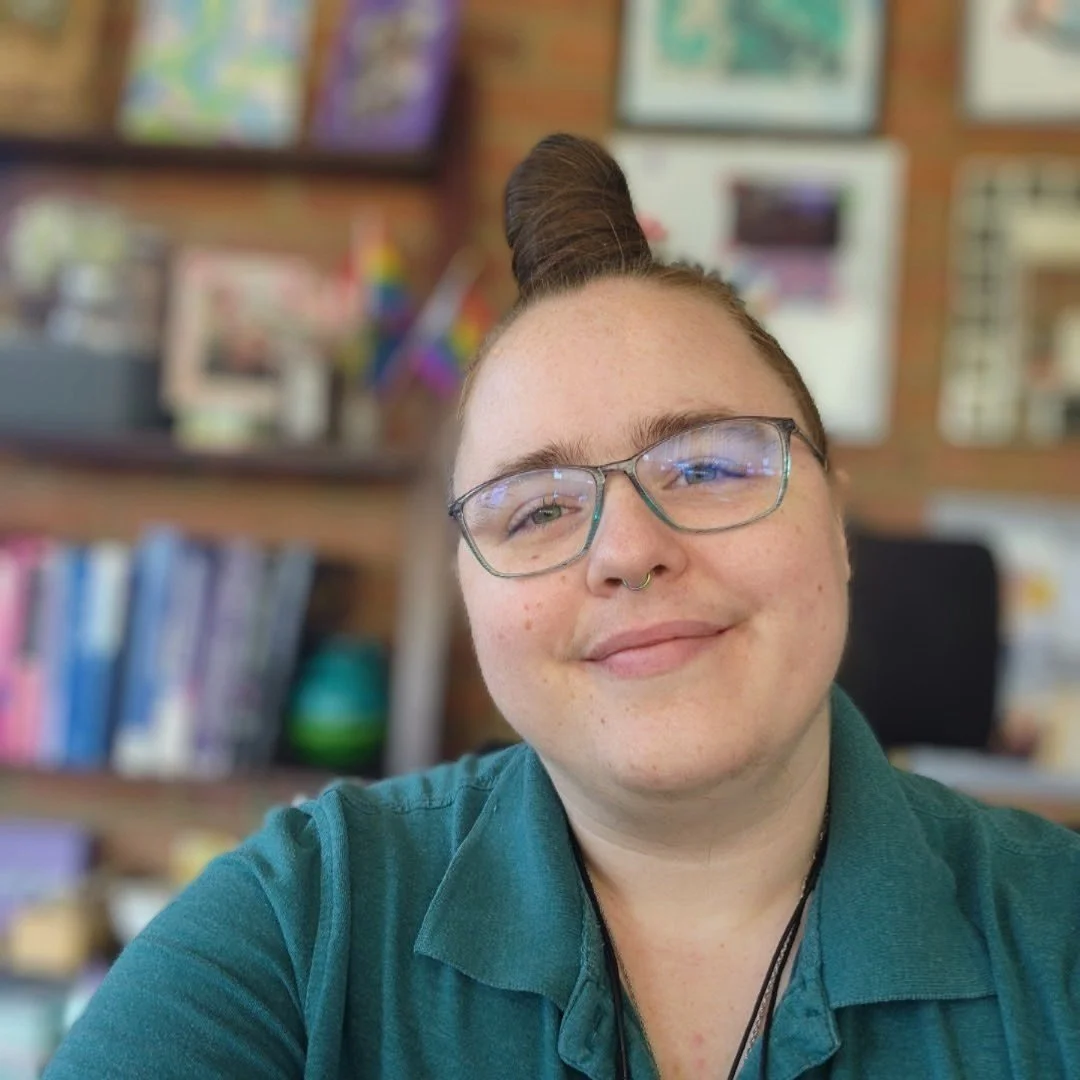
someone with both clinical training
and lived experience.

When OCD Makes You Doubt Yourself
A part of you may know that your fears don’t fully make sense— but that doesn’t stop OCD from making them feel urgent.
Maybe you find yourself:
replaying conversations and searching for what you might have missed
questioning your memories, intentions, identity, or relationships
analyzing thoughts to figure out what they mean about you
checking, comparing, researching, or mentally reviewing
looking for answers that never feel like enough
OCD can turn everyday experiences into endless questions:
"What if I’m missing something?"
"What if this thought means something important?"
"What if I can’t trust myself?"
OCD is not just about having intrusive thoughts. It is about getting pulled into a cycle where imagined possibilities begin to feel more convincing and urgent than what you directly know through your own experience.
You deserve OCD therapy that understands what is happening beneath the surface— not just what your thoughts are about.
Understanding OCD Through Inference-Based CBT (I-CBT)
Many people with OCD spend so much time trying to answer their doubts that it can feel like the problem is the thought itself.
I-CBT offers a different way of understanding what keeps OCD going.
Rather than focusing only on the content of your thoughts, I-CBT looks at the reasoning process behind obsessional doubt— the way OCD can pull you away from what you directly know and into imagined possibilities that feel urgent and convincing.
In therapy, we’ll work together to:
recognize the patterns that keep OCD doubt going
understand how OCD turns possibilities into perceived problems
reconnect with your own knowledge, experience, and common sense
build trust in your ability to understand yourself
OCD is not a reflection of who you are or what your thoughts mean about you. With a better understanding of how OCD operates, you can begin relating to your mind in a different way.
OCD Can Look Different Than You Expected
Many people think OCD is only about visible rituals, contamination fears, or needing things to feel perfect.
But for many people, OCD happens internally— through intrusive thoughts, mental compulsions, analyzing, reviewing, and trying to solve doubts that feel impossible to ignore.
OCD can attach to the things that matter most to you, including your identity, relationships, morality, memories, safety, or sense of self. Whether you experience taboo intrusive thoughts, Relationship OCD, Scrupulosity, Meta-OCD, or another form of OCD, specialized care focuses on understanding the process behind obsessive doubt— not just the theme itself.
OCD Therapy That Understands the Whole You
OCD doesn’t happen in isolation. Your identity, neurotype, relationships, and lived experiences all shape how you experience the world— and your therapy should make room for all of it.
My approach combines specialized OCD therapy through I-CBT with a lens that honors the whole person behind the OCD.
Your Identity
Your gender, sexuality, relationships, and lived experiences are respected and welcomed— not treated as problems to solve.
Your Neurotype
Therapy adapts to your way of processing, communicating, and experiencing the world while honoring your strengths and needs.
Your Experiences
Your history, values, and past experiences matter, especially when OCD overlaps with shame, fear, doubt, or identity-based concerns.
Your Relationships
Your connections and relational choices are approached with curiosity, respect, and without assumptions about what your life "should" look like.
What Working Together Feels Like
Therapy with me is collaborative, compassionate, and personalized.
You don’t need to have everything figured out before starting. Together, we’ll explore how OCD shows up for you, understand the patterns behind obsessive doubt, and reconnect with your own knowledge and experience.
Sessions are a space to talk openly about OCD without shame, explore your thoughts with curiosity, and show up as your full self.
Who OCD Therapy Is For
OCD therapy may be a good fit if you:
Feel trapped in intrusive thoughts, obsessive doubt, or mental compulsions
Spend a lot of time analyzing, reviewing, checking, or searching for answers
Have OCD experiences that feel difficult, shameful, or hard to explain
Want specialized OCD treatment that goes beyond stereotypes
Are looking for a therapist who understands the whole person behind OCD
You don’t have to have a “typical” OCD experience to receive specialized support.
Getting Started with OCD Therapy
Taking the first step can feel intimidating— especially when OCD already fills your mind with doubt. That’s why getting started is simple and low-pressure.
Step 1: Schedule Your Free Consultation
Book a 15-minute video consultation (camera optional) to ask questions, share what you’re looking for, and see if we’re a good fit.
Step 2: Begin Specialized OCD Therapy
If we decide we’re a good match, we’ll begin working together using I-CBT to understand obsessive doubt and help you reconnect with your own experience and self-trust.
Ready to take the first step?
Learn More About OCD
OCD can look different for everyone. Explore my blog for more information about OCD, neurodivergence, identity, and approaches to understanding obsessive doubt.